Streamline Effectiveness: Exceptional Data Center Infrastructure Management Services for Exceptional Performance
Improving effectiveness in data centers is needed for organizations endeavoring to strengthen functioning. Top Data Center Infrastructure Management (DCIM) services supply vital capabilities for live monitoring and analytics. Solutions from ServiceNow, Sunbird, Schneider Electric, and Nlyte rise above this competitive space. These services not only catalog assets but also fine-tune resource allocation. Understanding how to settle on the right DCIM solution can result in significant benefits. What points should organizations weigh to make an prudent choice?
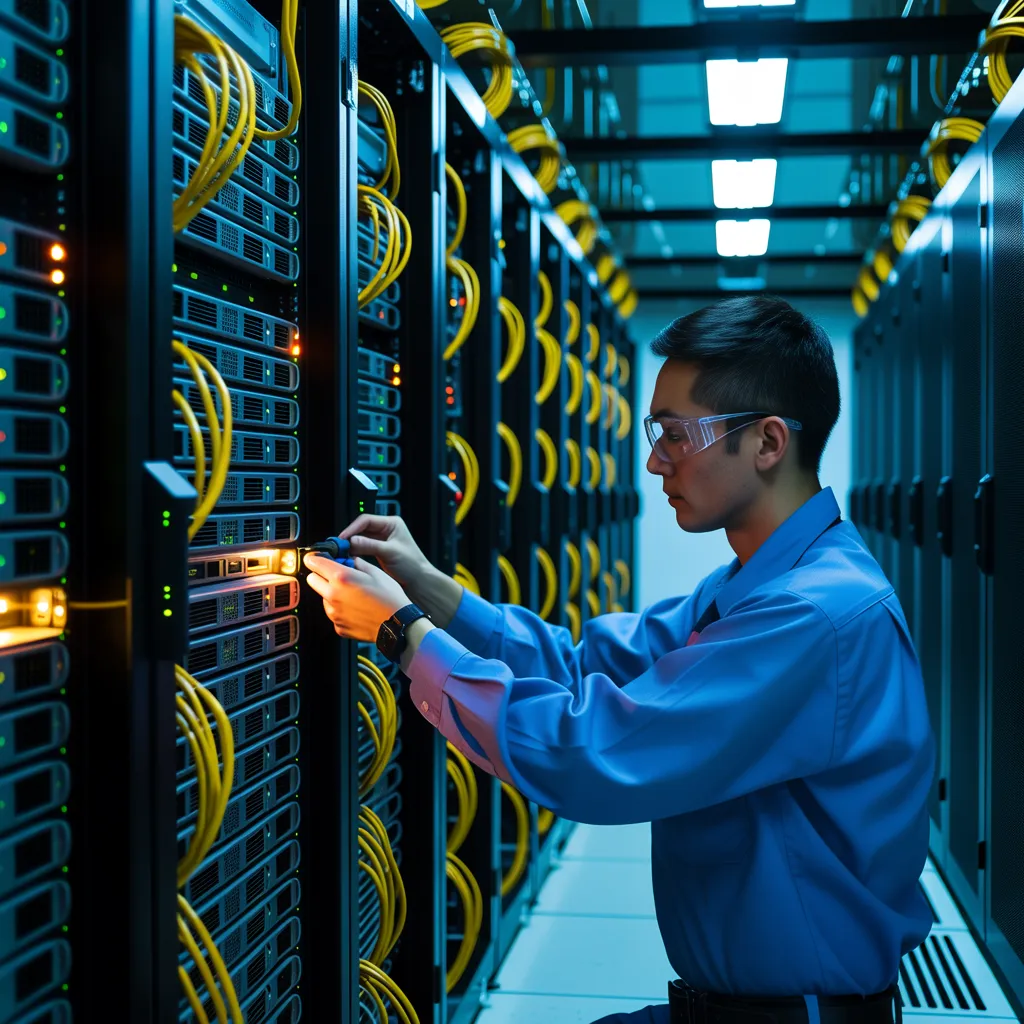
Premium DCIM Services for 2023
As companies more and more depend on data centers to facilitate their business activities, identifying the best Data Center Infrastructure Management (DCIM) services for 2023 is vital. Top-tier DCIM solutions offer comprehensive offerings intended to improve resource management, improve operational efficiency, and guarantee robust monitoring capabilities. Notable contenders in the market include ServiceNow, recognized for its integration capabilities, and Sunbird, which excels in real-time visualization and reporting. Additionally, Schneider Electric delivers a powerful platform for energy management and asset tracking.
Another key player, Nlyte, focuses on enhancing data center efficiency through advanced analytics. These services not only enable better decision-making but also assist with forecasting future needs. As data requirements continue to grow, selecting a DCIM service that provides scalability and versatility is essential. Ultimately, companies must evaluate their particular needs to select the most appropriate DCIM service, guaranteeing optimal performance and reliability in their data management strategies.
Grasping server facility system administration (DCIM)
Data Center Infrastructure Management (DCIM) includes a collection of instruments and practices intended to monitor, manage, and optimize data center assets. By integrating IT and facility management, DCIM provides comprehensive visibility into the efficiency and usage of essential systems. This approach facilitates immediate information gathering, enabling operators to make informed decisions regarding energy consumption, cooling efficiency, and space utilization.
DCIM services commonly deliver features such as resource tracking, capacity planning, and environmental monitoring, which collectively bolster productivity. They equip data center managers to identify problem areas, streamline workflows, and reduce operational costs. Also, DCIM facilitates tactical planning for future expansions and enables organizations to comply with industry guidelines. By deploying successful DCIM practices, data centers can secure higher reliability, improved sustainability, and greater overall performance, ultimately enabling improved customer service in a swiftly advancing digital landscape.
Key Elements for Picking Robust DCIM Solutions
Determining effective Data Center Infrastructure Management (DCIM) services requires meticulous consideration of vital features that boost operational efficiency and resource management. Crucial characteristics include real-time observation capabilities, enabling instant insight into power usage and operational parameters. Integration with existing systems is also essential, as frictionless communication fosters a unified approach to data management.
Scalability represents another significant element, allowing organizations to adjust as their infrastructure expands and evolves. Sophisticated analysis tools can deliver predictive insights, supporting proactive decision-making and reducing downtime. User-friendly interfaces improve accessibility for multiple users, while robust security measures safeguard sensitive data.
In conclusion, adjustment capabilities guarantee that DCIM services can be configured to meet specific organizational needs. By stressing these essential features, organizations can identify DCIM services that not only optimize performance but also foster continuous improvement and strategic advancement.
Finding the Right DCIM Tool Suited to Your Organization?
How can an organization determine the best DCIM tool tailored to its unique needs? The selection process starts with a comprehensive evaluation of current systems and operational requirements. Organizations should recognize specific goals, such as enhancing uptime, enhancing resource usage, or optimizing capacity planning. Additionally, evaluating expandability is essential; a solution must adapt to future growth and technical advancements.
Thereafter, organizations must review integration aspects. The ideal DCIM solution should operate smoothly with existing tools and platforms. Usability also serves a significant role; accessible interfaces enable user embrace and operational efficiency.
Furthermore, companies should investigate vendor support and community engagement, as continuous support and resources can be significant. Ultimately, conducting a cost-benefit analysis ensures that the chosen solution complies with budget constraints while providing the expected benefits. By adhering to these steps, organizations can securely select a DCIM solution that satisfies their particular requirements and enhances overall performance.
Applying DCIM Applications to Maximize Energy Efficiency
Leveraging DCIM tools can greatly enhance operational efficiency within data centers. By delivering thorough insights into power consumption and thermal dynamics, these tools permit operators to recognize inefficiencies and optimize resource management. With real-time data on energy usage, data center managers can reach informed determinations about equipment placement and cooling strategies, guaranteeing that energy is not lost.
DCIM solutions also facilitate automation in monitoring and managing power loads, allowing for dynamic adjustments based on current demand. This adaptability can lead to notable decreases in energy costs. In addition, advanced analytics within DCIM tools can pinpoint areas for further refinement, advancing proactive measures rather than reactive fixes.
Integrating these instruments into daily operations nurtures a culture of continuous improvement, ultimately reaching a more sustainable data center ecosystem. The result is not only enhanced efficiency but also a smaller ecological impact, syncing with broader environmental goals.
Real-Time Monitoring : The Foundation of DCIM Achievement
Real-time supervision constitutes a fundamental feature in the success of Data Center Infrastructure Management (DCIM). By supplying upgraded performance statistics, it allows proactive problem discovery and streamlining of resource consumption. This trait ultimately supports increased operational efficiency and robustness within data centers.
Improved Performance Metrics
Tracking data center operational metrics is crucial for enhancing efficiency and maintaining reliability. Advanced operational metrics offer essential intelligence into various infrastructure elements, including energy efficiency metrics, cooling system efficiency, and capacity planning. By utilizing real-time data, companies can review their system's operational status and adaptability, supporting strategic decision-making. Metrics including server availability, response delay, and data flow support detect new trends and determine expansion requirements. Furthermore, these measurements build team accountability across departments, informing strategic direction and capital allocation. Regular evaluation of operational data aids not just in comparison to industry best practices while encourages an environment of perpetual advancement. In the end, superior performance metrics function as a principal foundation of effective infrastructure management approaches, generating both operational superiority and business advantage.
Active Issue Detection
Proactive concern identification is crucial in ensuring the robustness of data center operations. By employing real-time monitoring tools, data review article centers can spot potential problems before escalation into major malfunctions. This framework facilitates teams to react swiftly to unexpected variations in temperature, power consumption, and equipment performance. Continuous observation secures that any shifts from established norms are identified immediately, allowing for timely interventions. As a outcome, the overall reliability of the system architecture is enhanced, minimizing operational disruptions and preserving service standards. Moreover, early identification leads to data-driven choices regarding upkeep planning and capacity management, ultimately refining operational efficiency. Dedicating funds in powerful surveillance technology is non-negotiable for sustaining peak performance in today's complex data environments.
Resource Consumption Optimization
Proficient oversight of a data center's resources relies on the ability to consistently monitor and examine operational metrics. Real-time monitoring provides the foundation for optimizing resource utilization, enabling data center managers to identify inefficiencies and assign assets effectively. By implementing advanced DCIM tools, organizations can obtain essential information on power consumption, cooling efficiency, and workload distribution. This data allows for more strategic decision making, ensuring that resources are leveraged to their fullest potential. Additionally, real-time analytics facilitate immediate responses to changing demands, curtailing waste and enhancing overall performance. Ultimately, effective resource utilization optimization not only improves operational efficiency but also contributes to sustainability goals, making it a essential component of modern data center management strategies.
Forthcoming Advancements in Data Center System Administration
As infrastructure facilities shift to meet escalating needs for streamlining and performance, rising movements in Data Center Infrastructure Management (DCIM) are restructuring the environment. One important movement is the merging of artificial intelligence (AI) and machine learning, which boosts analytics predictions for planning resources and managing energy. These innovations support live monitoring and automated adjustments to emerging issues, significantly minimizing downtime.
Additionally, the implementation of edge computing is driving a shift in DCIM approaches, as businesses aim to handle data nearer to its source for improved speed and performance. This requires advanced management tools to maintain performance across dispersed environments.
Sustainability remains at the leading edge, focusing on cutting carbon footprints and optimizing how resources are consumed. Lastly, the growth of hybrid cloud solutions requires more sophisticated DCIM systems capable of seamlessly handling both on-premises and cloud resources, ensuring the highest operational efficiency.
Commonly Requested Inquiries
How Do I incorporate DCIM With Existing Data Center Infrastructure?
To connect DCIM with existing data center systems, one needs to assess current infrastructure, ensure compatibility, enable APIs for data exchange, and undertake thorough testing to verify seamless operation and improved management capabilities across platforms.
What Is the Mean Expense of Putting Into Action DCIM Solutions?
DCIM solution implementation commonly ranges from $20,000 to $150,000 in cost, shifting according to the data center size, infrastructure complexity, and the particular features needed to ensure optimal management.
Are certain compliance standards necessary for DCIM Services?
Yes, there are specific compliance standards for DCIM services, including ISO 27001 for information security, PCI DSS for payment card industry standards, and multiple environmental guidelines that direct power consumption optimization and sustainability practices within data centers.
What Frequency Ought to I Upgrade My DCIM Software?
Updating DCIM software should happen at least once a year, though quarterly updates are recommended to ensure optimal functionality, improved security, and adherence with changing requirements. Routine evaluations help identify when updates are needed for particular business requirements.
Will DCIM Solutions Facilitate Business Continuity Design?
DCIM tools provide considerable help in disaster recovery planning through real-time monitoring, inventory control, and contingency modeling. This guarantees that computing facilities are adequately prepared for unforeseen interruptions, improving overall robustness and contingency approaches.