Boosting ESG Compliance: The Role Data Center Services Drives Environmentally-Conscious Business Practices
Improving environmental, social, and governance adherence in data center services is increasingly important in the current market environment. As organizations face growing regulatory pressures, the role of datacenters in advancing eco-friendly approaches becomes essential. Multiple technologies, such as advanced cooling systems and clean energy alternatives, play a significant role in this shift. However, challenges remain in achieving these objectives. Comprehending these complexities is essential for any enterprise seeking to excel in the eco-conscious digital marketplace.
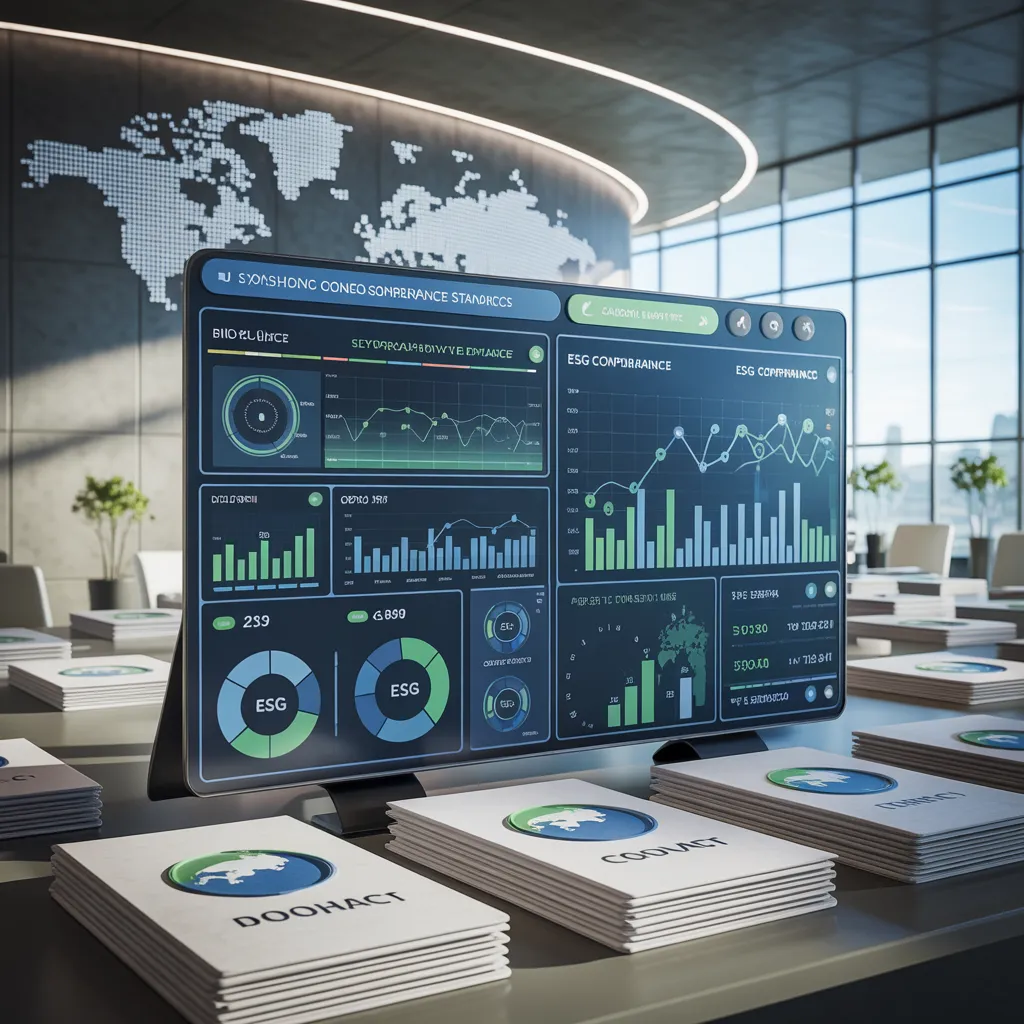
Why ESG Adherence Matters for Data Centers
As companies place greater emphasis on environmental responsibility, understanding the importance of ESG compliance for data centers is crucial. ESG, which represents Environmental, Social, and Governance, serves as a framework to assess how organizations handle risks and opportunities related to sustainability. For data centers, compliance with ESG standards is critical, as these facilities consume considerable energy and resources. By following ESG principles, data centers can markedly reduce their ecological impact, improve operational efficiency, and promote social accountability.
Moreover, ESG adherence can improve a data center's standing, attracting eco-aware customers and stakeholders. As regulatory frameworks change, companies face increasing pressure to demonstrate accountability and transparency in their operations. Failure to comply may result in financial penalties and reputational damage. Ultimately, incorporating ESG factors into data center management is not merely a regulatory obligation; it is a critical necessity for sustained growth and competitiveness in a rapidly changing market.
Key Innovations Driving Sustainable Data Center Operations
Sustainable data center operations are increasingly shaped by key technologies focused on energy efficiency and sustainable energy adoption. Innovations in cooling systems and energy distribution are improving energy utilization, while the adoption of solar and wind energy sources is reducing environmental impact. In combination, these improvements are creating a more eco-conscious strategy to data center management.
Energy Efficiency Innovations
A remarkable evolution in data center performance is driven by energy efficiency solutions that apply advanced technologies. These innovations include cutting-edge cooling systems, such as liquid cooling and immersion cooling, which greatly diminish energy consumption compared to traditional methods. Additionally, the implementation of artificial intelligence and machine learning refines resource allocation, improving operational efficiency. Smart power distribution units (PDUs) monitor and direct energy use dynamically, additionally curtailing waste. Furthermore, virtualization techniques allow for better server utilization, limiting the need for physical hardware. Together, these advancements contribute to lower carbon footprints and operational costs, aligning data centers with sustainable business practices while meeting regulatory ESG compliance requirements. Consequently, energy efficiency innovations play an vital role in shaping the future of sustainable data center operations.
Renewable Energy Implementation
Adopting renewable energy sources is crucial for promoting sustainable data center operations. Data centers increasingly rely on solar, wind, and geothermal energy to operate their facilities, markedly reducing carbon footprints. Energy storage technologies, including lithium-ion batteries, help manage energy supply and demand, securing reliable operation during intervals of low renewable generation. Moreover, cutting-edge energy management software optimizes energy use by analyzing consumption patterns and reacting to real-time conditions. Many data centers are also considering Power Purchase Agreements (PPAs) that ensure long-term renewable energy contracts, supporting financial stability while advancing green energy development. By embracing these technologies, data centers not only enhance their sustainability but also contribute to broader ESG compliance initiatives, aligning business practices with environmental stewardship.
Maximizing Energy Effectiveness to Lower Environmental Impact
Improving energy efficiency is vital for data centers looking to decrease their ecological impact. This can be achieved through innovative infrastructure design, cutting-edge cooling technologies, and the adoption of clean energy alternatives. By prioritizing these areas, data centers can boost sustainability while sustaining business efficiency.
Energy-Efficient Infrastructure Planning
Designing sustainable infrastructure represents an essential approach for data centers aiming to reduce their environmental footprint. By utilizing high-performance materials, improving configurations, and incorporating renewable energy sources, data centers can considerably decrease energy consumption. Deploying energy-efficient lighting and smart power distribution systems further enhances operational efficiency. Additionally, strong power management systems allow for immediate oversight, enabling data centers to detect and correct inefficiencies promptly. The implementation of scalable architectures can also facilitate scalability while maintaining energy efficiency. Ultimately, these facility enhancements not only strengthen compliance with environmental, social, and governance (ESG) standards but also promote long-term sustainability. Through deliberate planning, data centers add to a greener future while enhancing their overall performance capabilities.
Cutting-edge Cooling Technologies
Advanced heat management technologies are fundamental in increasing power efficiency within data centers while cutting down their ecological footprint. Innovations like fluid cooling solutions, which convey heat immediately from vital parts, significantly lower energy consumption compared to traditional air cooling methods. Furthermore, automated cooling technologies use measurement devices and AI algorithms to flexibly regulate cooling according to instantaneous requirements, enhancing energy efficiency. The use of natural cooling strategies leverages ambient surroundings, enabling data centers to operate effectively without depending only on mechanical systems. By embracing these advanced cooling strategies, organizations can achieve major reductions in power usage effectiveness, ultimately aiding in reduced environmental emissions and creating a more environmentally sustainable operation.
Renewable Energy Integration
The integration of sustainable power options into data center operations represents a substantial step towards reaching sustainability goals. By leveraging solar, wind, and hydroelectric power, data centers can significantly reduce their greenhouse gas emissions. These facilities are increasingly adopting power-saving technologies that enhance power usage, such as advanced power management systems and smart grid solutions. Additionally, incorporating energy storage solutions allows for improved management of renewable energy supply, ensuring a stable power flow even during variable conditions. This change not only lowers operational costs but also enhances compliance with Environmental, Social, and Governance (ESG) standards. Ultimately, renewable energy integration fosters a more sustainable approach to data center management, aligning business practices with broader environmental objectives.
Strategic Resource Planning Approaches for Sustainable Data Centers
While many organizations strive for sustainability, efficient operational practices are important for data centers attempting to lower environmental impact. Deploying state-of-the-art cooling technologies, such as liquid cooling or free air cooling, can substantially decrease energy consumption. Moreover, implementing virtualization technologies allows for ideal usage of physical servers, reducing the need for additional hardware and energy.
Continuous monitoring of energy consumption by way of analytical data examination helps recognize operational inefficiencies and areas for enhancement. Moreover, leveraging modular designs enables data centers to expand resources according to actual requirements, circumventing overprovisioning.
Establishing a solid waste management initiative for e-waste is important for reducing landfill contributions. Moreover, engaging in responsible sourcing practices guarantees that all items purchased correspond to environmental standards. Together, these techniques form an all-encompassing strategy for data centers to operate more sustainably, ultimately supporting broader ESG compliance targets while strengthening operational efficiency.
Showcasing ESG Adherence Case Studies in Data Centers
As enterprises increasingly dedicate themselves to sustainability, several computing centers have emerged as exemplars of ESG fulfillment, demonstrating innovative approaches to environmental stewardship. One notable example is a center in Amsterdam that utilizes next-generation cooling technologies, substantially reducing power demands while maintaining exceptional capabilities. This facility has achieved a 40% decrease in carbon signature through the application of renewable alternatives, such as wind and solar power.
Another success story is a data center in Singapore that concentrates on water saving by implementing a closed-loop cooling system, minimizing water usage by 70%. This facility also collaborates with local communities to support environmental consciousness and green initiatives.
In addition, practical advice a data center in Northern Virginia has instituted tough waste management protocols, steering over 90% of its waste from landfills. These success stories reveal how data centers can lead the way in ESG compliance, establishing metrics for green initiatives in the industry.
What Difficulties Do Data Centers Address in Meeting ESG Compliance?
Achieving environmental, social, and governance compliance brings several issues for data centers, despite the encouraging stories of success shared previously. One major hurdle is the considerable energy consumption involved in data center operations, leading to considerable carbon footprints. Many centers find it challenging to implement renewable energy solutions due to financial limits or infrastructural challenges. Additionally, regulatory requirements differ greatly across regions, making compliance a complex, fragmented process that needs constant monitoring and adaptation.
Yet another challenge resides in the integration of sustainable practices within existing business structures. Data centers frequently contend with obstacles in refurbishing legacy facilities to meet modern ESG standards. Additionally, the evolving character of technology compels continuous capital allocation in upgrades, which can limit budgets. In conclusion, team training and awareness of ESG principles are essential yet regularly neglected, further complicating adherence to sustainability goals. These obstacles reveal the importance of thoughtful planning and innovation in data center operations to secure meaningful ESG compliance.
Upcoming Patterns in Data Center Sustainability and ESG Adherence
The rising developments in data center sustainability and ESG compliance are set to reshape the industry landscape markedly. The increasing adoption of renewable energy sources, such as solar and wind, is a primary focus, as data centers aim to minimize their carbon footprints. Additionally, the incorporation of sophisticated thermal management systems, including liquid cooling and free-air cooling, is gaining traction to enhance energy efficiency.
Additionally, the expansion of artificial intelligence and machine learning in resource management enables data centers to improve operational performance, decreasing waste and improving energy use. Regulatory frameworks are also transforming, driving organizations to adopt more stringent ESG standards.
As stakeholders call for greater accountability, data centers will increasingly use blockchain systems to guarantee track record in their environmental commitments. Collectively, these trends will not only drive compliance but also cultivate innovation, presenting data centers as key players in the shift to a more green digital economy.
Frequently Asked Questions
How Can Smaller Data Centers Boost Their ESG Compliance Programs?
Small data centers can improve ESG adherence by implementing power-saving technologies, deploying waste minimization approaches, optimizing resource consumption, and engaging in transparent reporting. Collaboration with stakeholders further strengthens their dedication to sustainable business practices and responsibility.
In What Way Do Involved Parties Engage to Data Center ESG Efforts?
Key stakeholders are vital to data center ESG initiatives by supplying knowledge, funding, and control. Their active involvement encourages collaborative efforts, making sure that green targets match up with operational practices and community expectations, ultimately strengthening overall compliance and effectiveness.
Are There Certifications for Data Centers Focusing on ESG Compliance?
Yes, several qualifications exist for data centers stressing ESG compliance, such as ISO 14001 for environmental oversight and LEED for energy efficiency. These certifications help ensure that operations meet sustainable practices and stakeholder needs.
What Effect Does ESG Adherence Have on Data Center Expenses and Price Points?
ESG compliance can elevate data center expenses due to investments in sustainable systems and practices. However, it may also generate future economic benefits and improved rate strategies by attracting eco-aware organizations and improving brand credibility.
What Are the Usual False Assumptions Regarding Environmental, Social, and Governance Practices in Data Center Operations?
Frequent misconceptions about ESG in data centers involve the assumption that meeting requirements is mainly a cost, that it's irrelevant to operational effectiveness, and that it only concerns large-scale organizations, overlooking smaller organizations' obligations.